

0.00₼
CheckoutThe cardamom plant
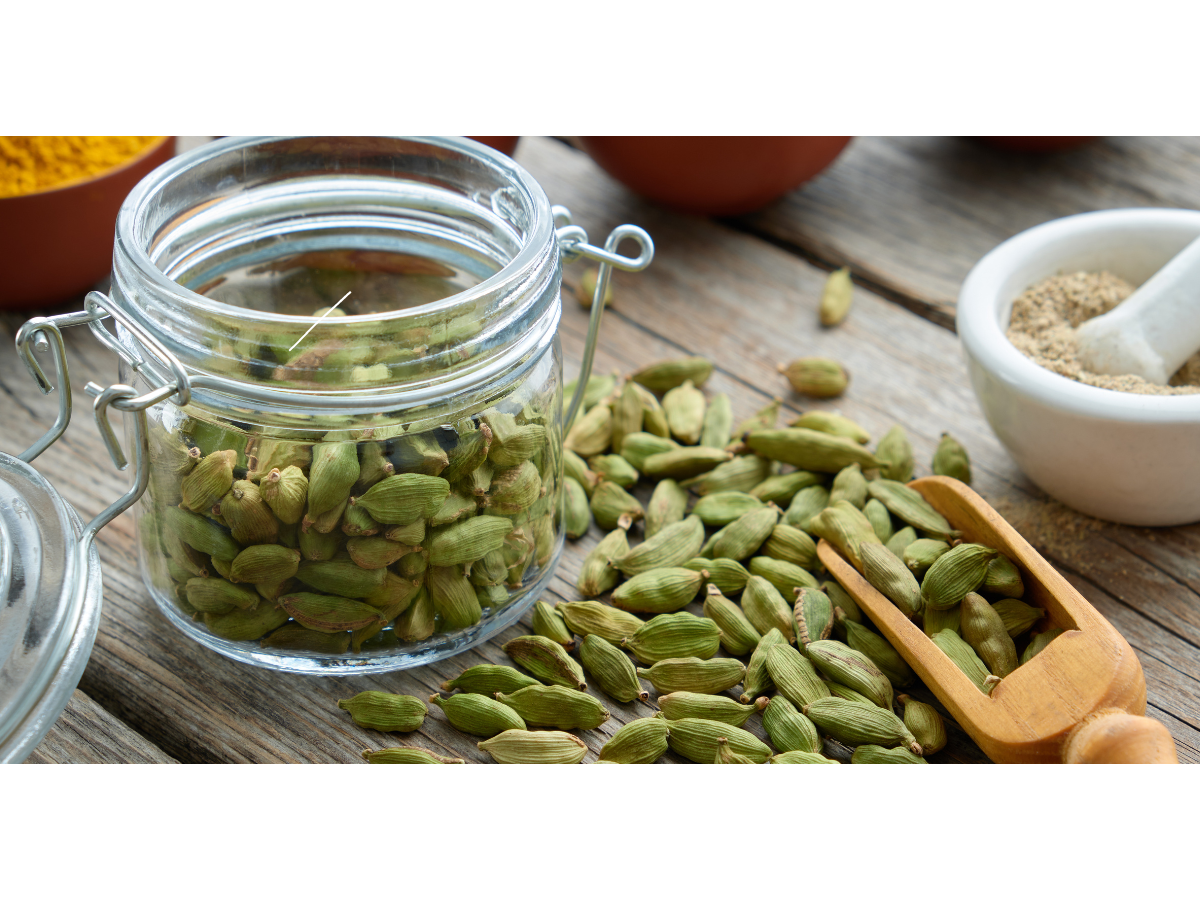
The cardamom plant, indigenous to India and South Asia, has a larger counterpart known as black cardamom, which thrives in regions like Nepal and Bhutan.
In contemporary times, Guatemala has become a prominent cultivator of cardamom. Historically, the spice made its way through trade routes, becoming a staple in ancient Greek, Roman, and Chinese cultures. By the early Medieval period, cardamom had become a prized trading commodity across Europe. Its significance endures in the culinary traditions of India and Scandinavia, and its distinctive aroma is easily recognizable. My own introduction to cardamom's unique fragrance occurred during childhood, when I marveled at its potent scent—a blend reminiscent of pepper, mint, and nutmeg. My mother used it in her spice cookies, cementing its association with sweet treats in my mind. Yet, cardamom's aroma finds its way into a myriad of dishes and evokes countless personal memories.
Cardamom's complex scent profile makes it a valuable component in perfumery. It can present as dry and earthy, complementing notes like papyrus or vetiver. It can also convey a smoky essence, pairing well with patchouli, birch tar, and leather accords. Alternatively, cardamom can be experienced as a humid, floral note, blooming alongside ylang-ylang, gardenia, and rose. Its versatility allows it to enhance various fragrance profiles, from the opulent Kenzo Jungle L'Elephant to the rich and dark Lush Cardamom Coffee. Tom Ford's Oud Wood uses cardamom to shape and amplify oud, while Olfactive Studio's Lumière Blanche combines it with iris, almond, and tonka bean to evoke a cool, frosty sea breeze.
Despite cardamom's distinctive and sometimes singular scent, it exhibits remarkable versatility. To some, it exudes the coolness of ice cream; to others, it radiates the warmth of sunlight. These subjective experiences, influenced by personal associations, showcase cardamom's ability to evoke a wide range of sensory responses, from smoky woods to creamy cold drinks. Perfumers capitalize on these varied perceptions, using cardamom to add depth, create ethereal clouds, or brighten a fragrance's palette. Fragrantica's experts have curated a list of standout perfumes featuring cardamom—what are your thoughts on this intriguing spice, and which fragrances do you think highlight its strengths? Share your opinions with us in the comments below.
02/05/2024 00:00:00
Views:1104
